Rev. Samuel Langdon Founder
Reverend Samuel Langdon (1847–1893) was a Methodist missionary and educator born in Gunnis Lake, Cornwall, England. He trained for the ministry at Richmond College and came to Ceylon (now Sri Lanka) in 1873.
His major contributions include:
Began missionary work in Colombo before serving in the Uva Province, where he became known as the "Apostle of Uva" for his work among estate workers.
In 1876, he became the first Principal of Galle High School, later known as Richmond College. He developed the school's curriculum and introduced Science as a new subject.
Transferred to Kandy in 1879, where he established a girls' high school, an industrial school, a boys' reformatory, a hospital, and several village schools. By 1893, thousands of students were studying in schools under his district.
He was also a respected preacher, lecturer, and author, writing books such as The Appeal of the Serpent, My Mission Garden, Two Men of Devon, and Punchi Nona.
Reverend Langdon is remembered for his dedication to education, Christian service, and the advancement of schools in Sri Lanka. His leadership and vision greatly influenced generations of students, particularly through the institution that became Richmond College.
Miss Lawrance 1896
Miss Lawrance – Strengthened education and school traditions, including the development of the hostel, curriculum, and recognition of the first lady graduate.
Miss Lawrance – 1896
Miss Lawrance made significant contributions to the development of the school during her tenure. In 1896, the Rita Kaule Hostel was constructed, providing accommodation for students. The school's hymn, "Father, O Hear Us, Seeking Now to Praise Thee," was sung for the first time at the school's inaugural Prize Day, becoming an important part of the school's tradition.
During her period of leadership, Miss Priscilla Marshall, the first lady graduate of the island from Kandy High School (KHS), was honoured with a cap and gown at the Prize Distribution. The school also offered a broad and progressive curriculum that included French, Greek, English, Music, Dancing, Needlework, and Sanitation, reflecting Miss Lawrance's commitment to providing a well-rounded education for young women. Her dedication helped strengthen the school's academic standards and traditions.
- In 1896, the Rita Kaule Hostel was a new and lively place, filled with the cheerful voices of students. Miss Lawrance carefully looked after the girls and made sure they were well prepared for their school activities.
- During a special school gathering, the girls came together in the hall to sing the school hymn. Miss Lawrance encouraged them warmly, reminding them of the importance of the occasion.
- A very proud moment came when Miss Priscilla Marshall was honoured as the first female graduate of Kandy High School. She received her cap and gown during the prize-giving ceremony, surrounded by her teachers, friends, and family. It was a memorable moment for everyone.
- Under Miss Lawrance, the girls also enjoyed a wide range of subjects such as French, Greek, English, Music, Dancing, Needlework, and Sanitation. She believed that education should develop not only the mind but also the hands and the heart.
- Miss Lawrance's leadership helped create a school where girls could learn, grow, and achieve great things.
Miss F. R. Sansom 1901–1919
Miss F. R. Sansom (1901–1919) – Established the Old Girls' Association and the first Guide and Brownie Companies in Ceylon.
Miss F. R. Sansom (1901–1919)
Miss F. R. Sansom served as Principal of the school from 1901 to 1919, a period of remarkable growth and achievement. As more girls sought admission, the school expanded steadily, and many of the teachers were dedicated Dutch Burgher ladies who helped maintain high educational standards.
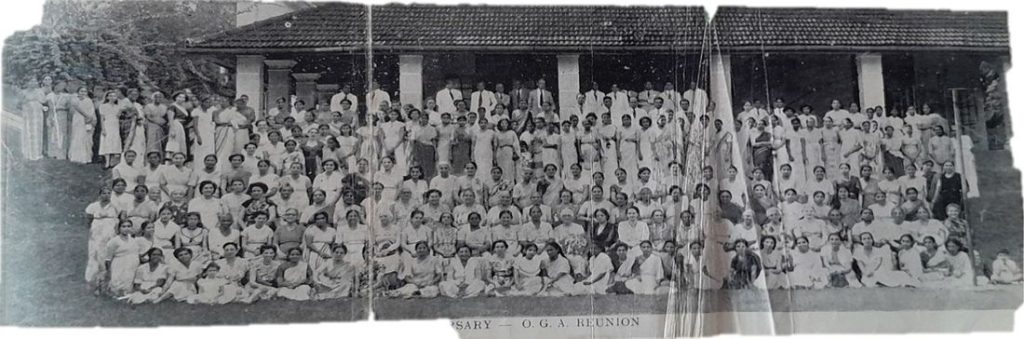
In 1901, the school held its first High School Sunday Anniversary Service, beginning a tradition of worship and thanksgiving. In 1909, the Old Girls' Association was formed, strengthening the lifelong bond between the school and its former students.
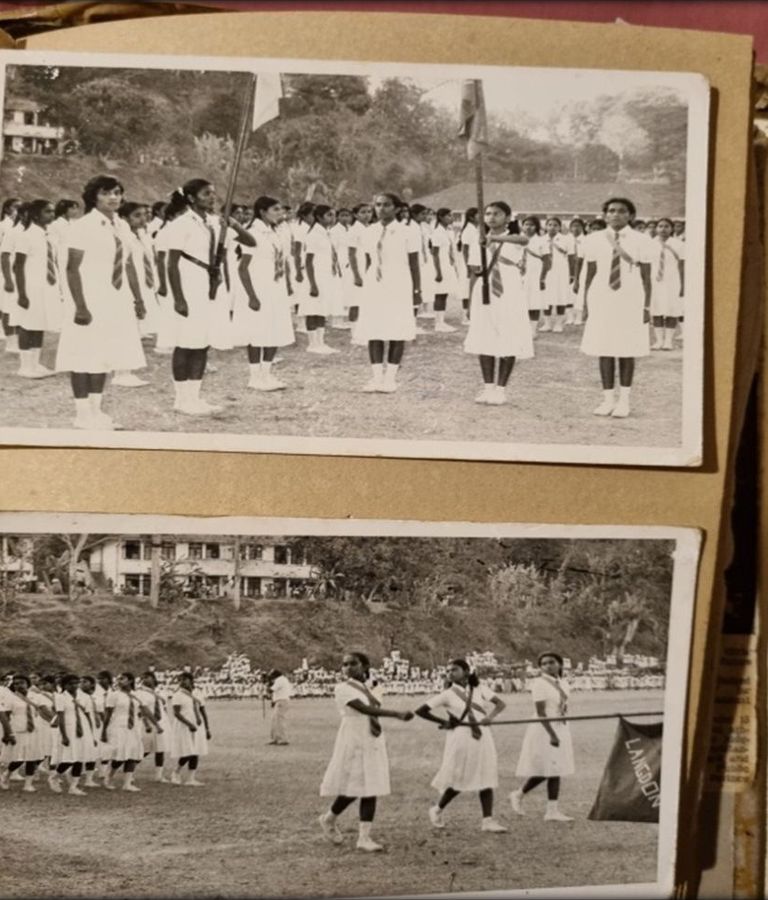
The school also became a pioneer in the Girl Guide movement. In 1917, the first Guide Company in Ceylon was established at the school, followed by the first Brownie Company in Ceylon in 1918. These achievements encouraged leadership, discipline, and service among the students.
Miss Sansom's years of leadership were marked by progress, strong traditions, and new opportunities, leaving a lasting legacy in the history of the school.
Mrs. Jennie Greene 1920–1921
Mrs. Jennie Greene (1920–1921) – Guided the school through the 1920 plague and introduced important developments such as netball and the Ranger movement.
Mrs Jennie Greene [nee Miss Calverley]
Mrs. Jennie Greene (née Miss Calverley) (1920–1921)
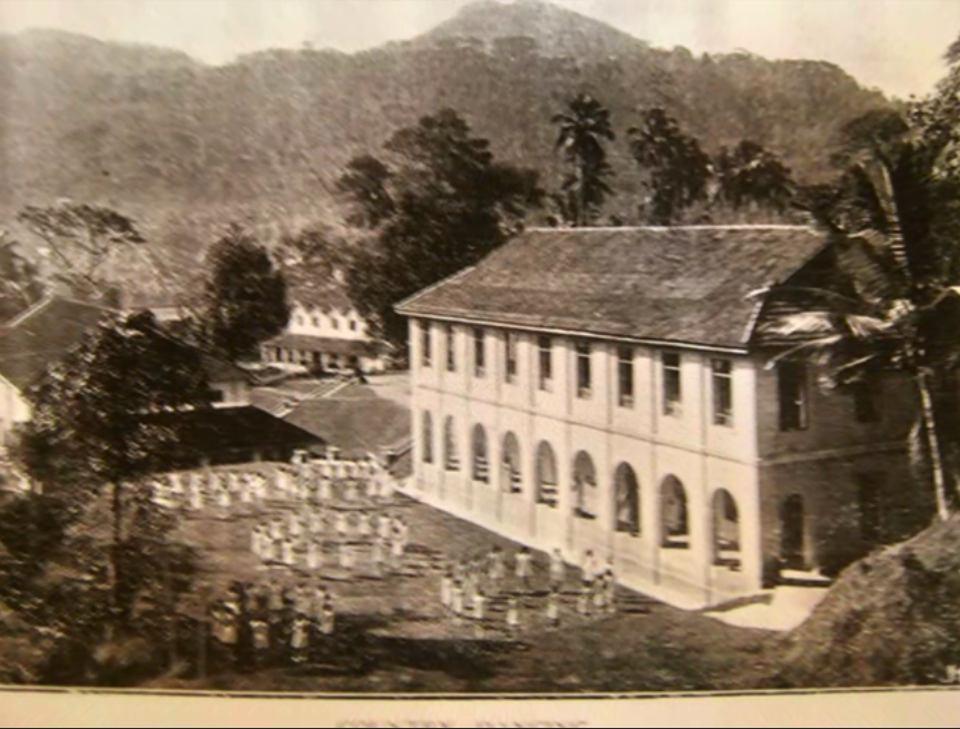
Mrs. Jennie Greene, then known as Miss Calverley, led the school through one of the most challenging periods in its history. In June 1920, a plague outbreak in Kandy forced 262 students to leave the school overnight. Classes were moved to different locations across the city. The Kindergarten and Standard 2 classes were held at Trinity College, Standards 3 and 4 at the YWCA opposite the police station, and the senior girls at the YWCA near Kandy Lake.
Miss Calverley worked tirelessly, cycling from one location to another each day to supervise the students and teachers. To make her daily travel easier, she purchased a scooter, showing her determination to ensure that learning continued despite the crisis. By October 1920, the school safely returned to its premises at the Wesley Mission in Katukelle.
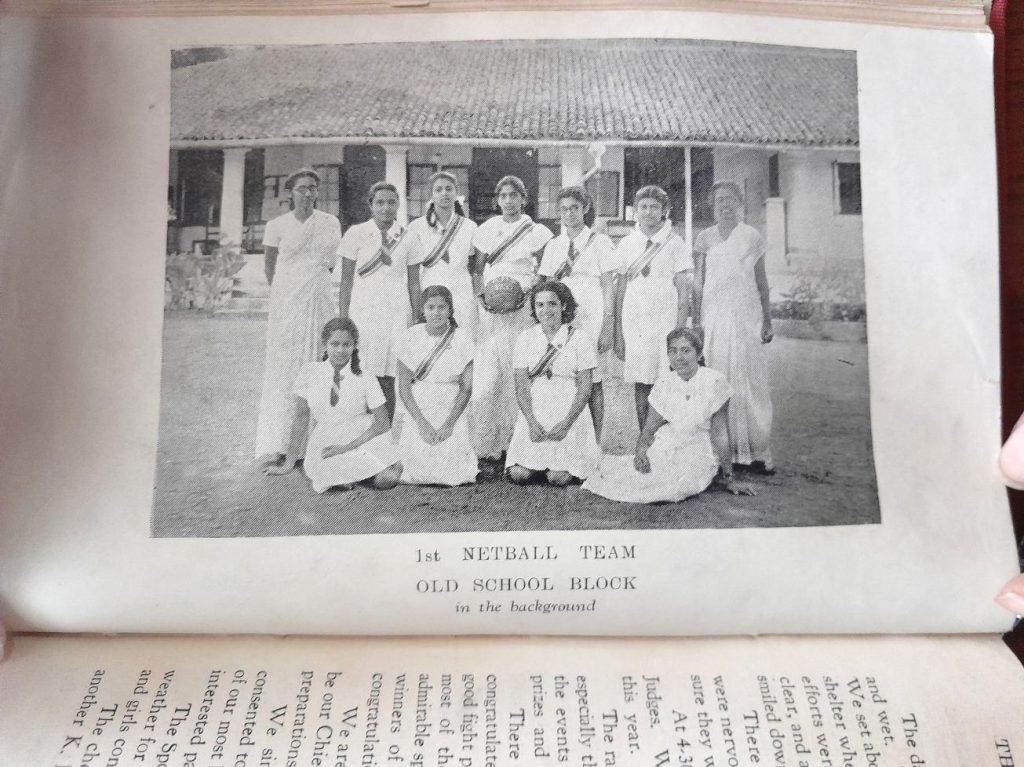
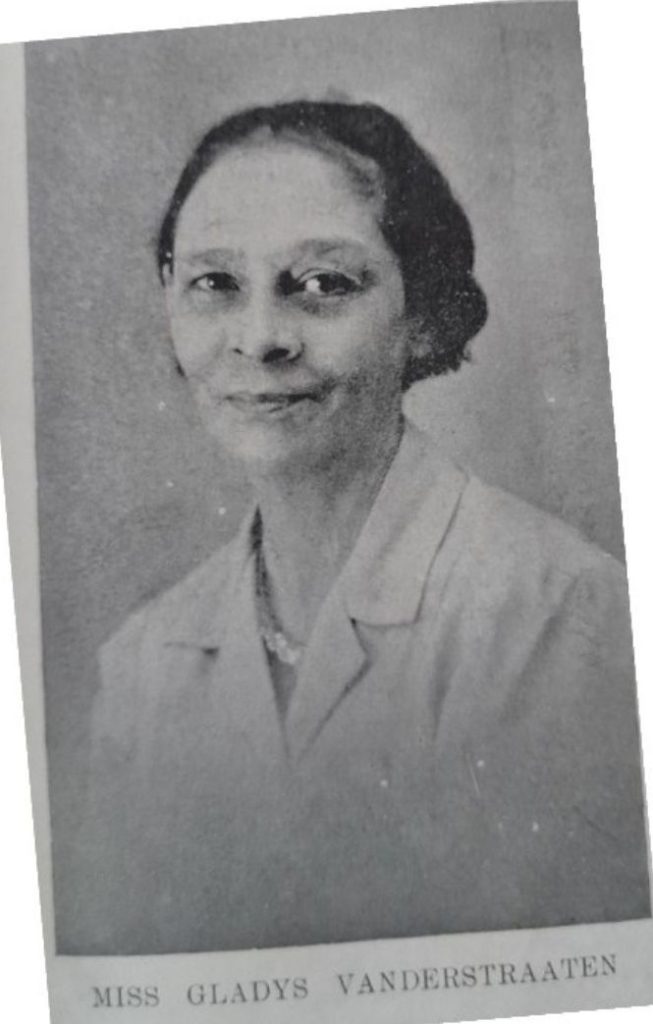
During her leadership, the school continued to make history. The "Ladies Bungalow" was purchased for the school, later serving as the Principal's residence and eventually becoming the Edna McGill Junior Hostel. The first Ranger Company in Ceylon was formed at the school, and Miss Gladys Vanderstaarten became the first Ceylonese Guide Captain. The school also introduced netball to Ceylon, playing its first match against Ladies' College, Colombo, and pioneered the sister and brother school concept in Sri Lanka with Kingswood College.
Mrs. Jennie Greene's brief but inspiring leadership was marked by courage, innovation, and a commitment to the education and well-being of her students, leaving a lasting legacy in the school's history.
- In June 1920, a plague outbreak in Kandy forced 262 students to evacuate their classrooms overnight for safety.
- Kindergarten and Standard 2 students relocated to Trinity College, while Standards 3 and 4 were sheltered at the YWCA near the police station.
- Senior girls found accommodation at another YWCA near Kandy Lake; Miss Calverley, a dedicated teacher, used a scooter for faster travel between these locations.
- By October 1920, the school returned to its premises at Wesley mission in Katukalle and grew in strength.
- The school purchased the "Ladies Bungalow" from Mr. Pate, which became the Principal’s bungalow until 1984 and later the Edna McGill Junior Hostel.
- It also pioneered Ceylon's first Ranger company and appointed Gladys Vanderstaarten as the first Ceylonese Guide captain.
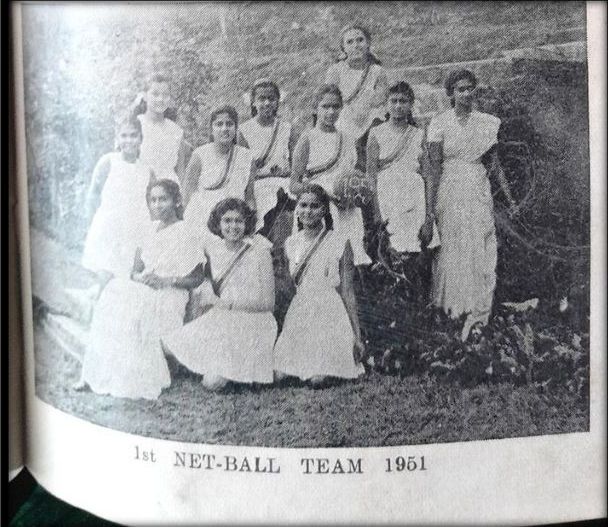
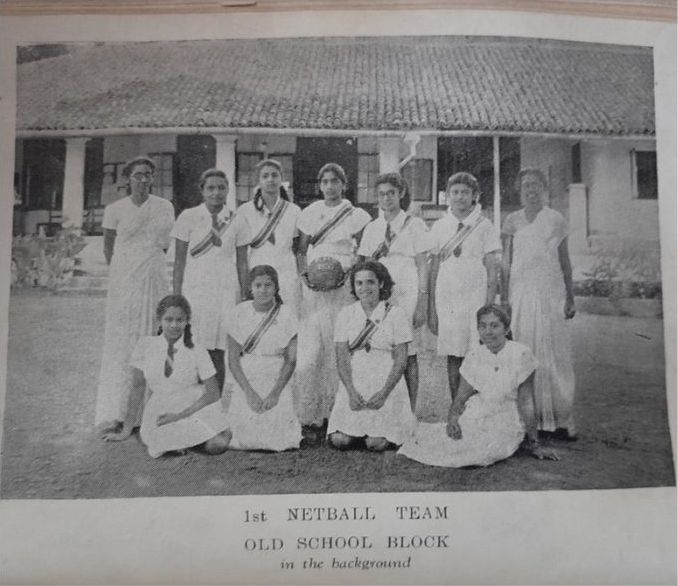
- The school introduced netball to Ceylon, competing in its first match against Ladies College Colombo.
- It established the sister and brother school tradition with Kingswood College, fostering bonds in Sri Lanka’s education community.
- The resilient and innovative spirit of the school during 1920 left a lasting legacy on its future and the community.
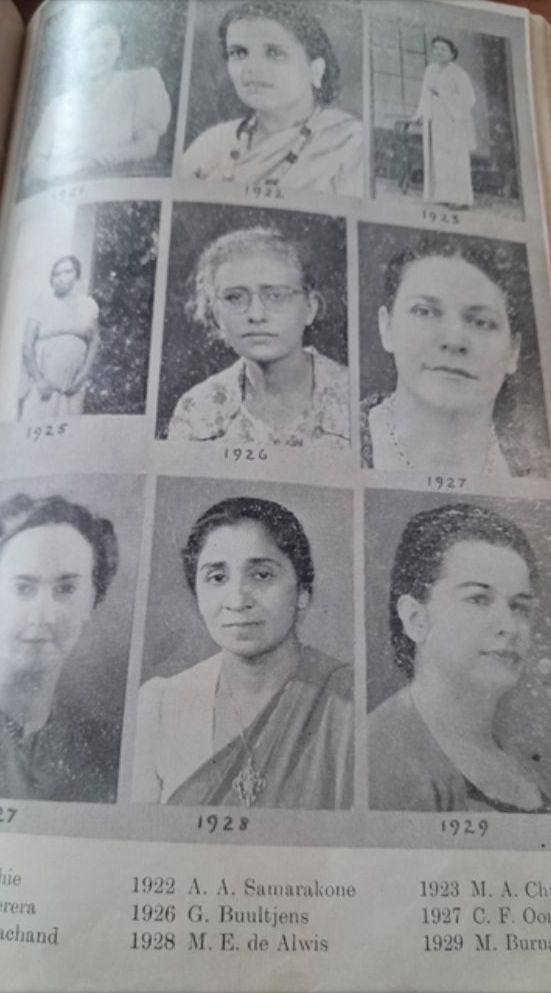
Miss Constance Mallet Mrs. C. M. Gordon
Miss Constance Mallet / Mrs. C. M. Gordon – Introduced the House System, school song, badge, uniform, tie, prefect system, and many academic and cultural activities.
Miss Mallet [ Mrs C M Gordon ]
A Legacy of Firsts:
The Tale of a Pioneering Educational Institution
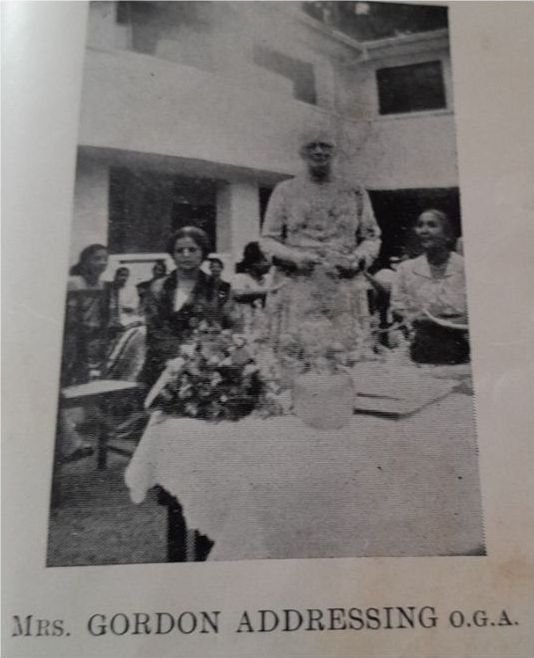
Miss Constance Mallet (later Mrs. C. M. Gordon)
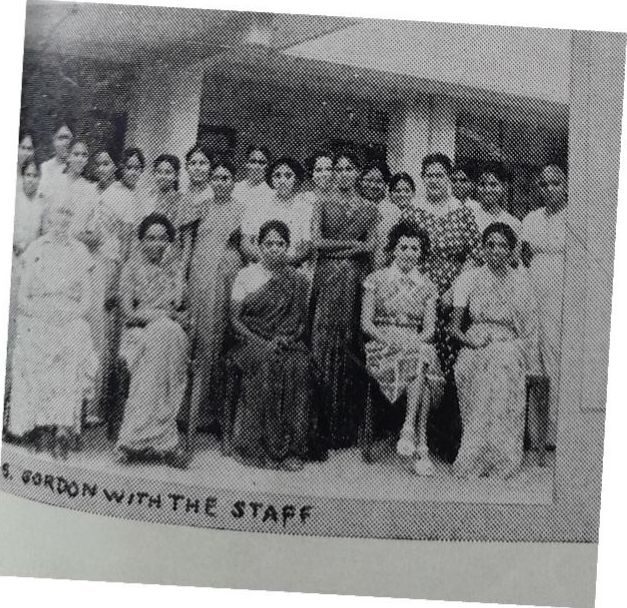
Miss Constance Mallet, later known as Mrs. C. M. Gordon, was one of the most influential principals in the history of the school. During her leadership from 1921 onwards, she introduced many traditions and innovations that shaped the school's identity for generations.
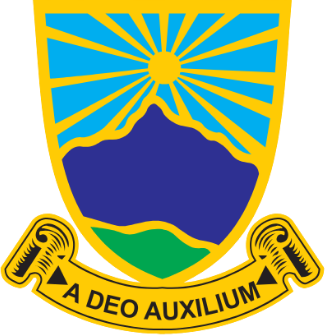
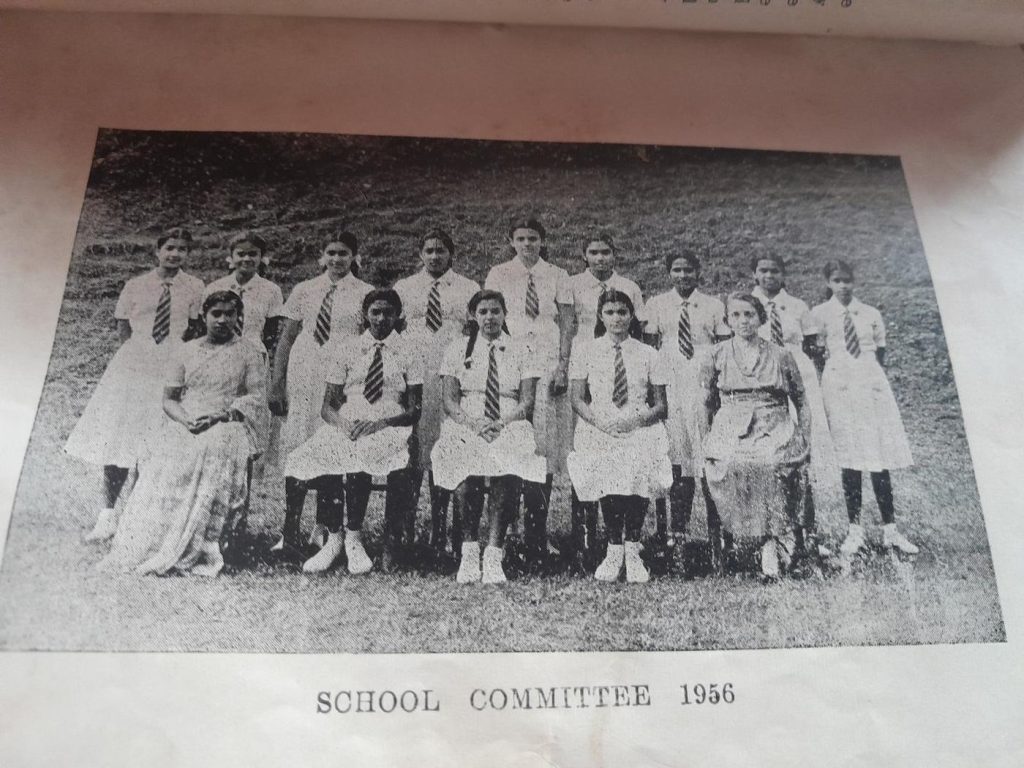
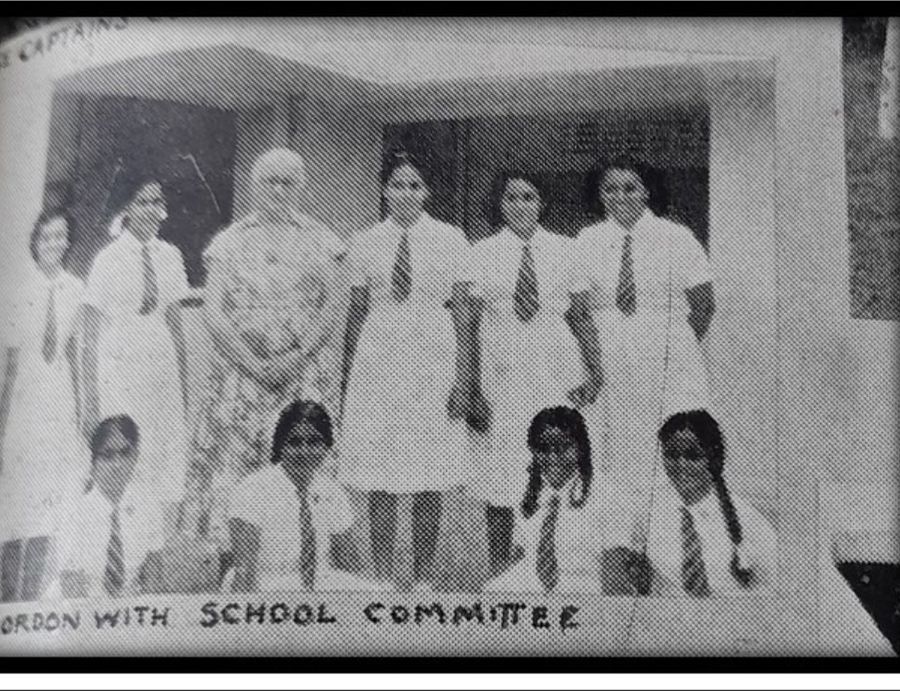
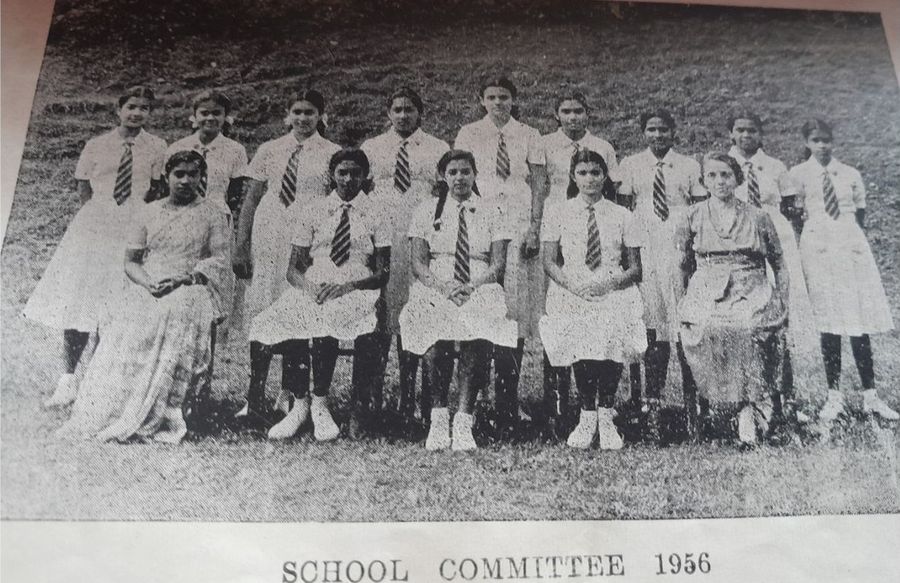
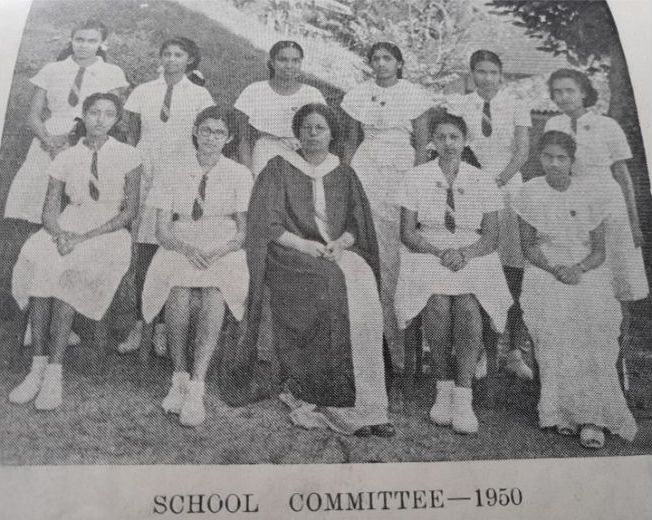
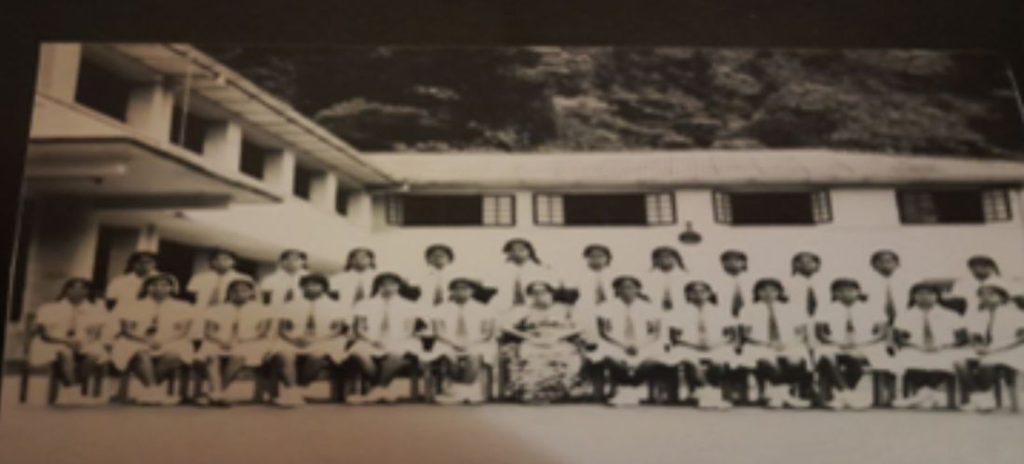
In 1921, she established the House System, the first of its kind in Sri Lanka. The houses were originally named Saxe, Gold, Green, and Navy, and were later renamed Eaton, Lawrance, Langdon, and Sansom. She also introduced the School Song, School Badge, School Crest, Prefect System, School Committee, and later the School Uniform and School Tie, creating a strong sense of unity and school pride.
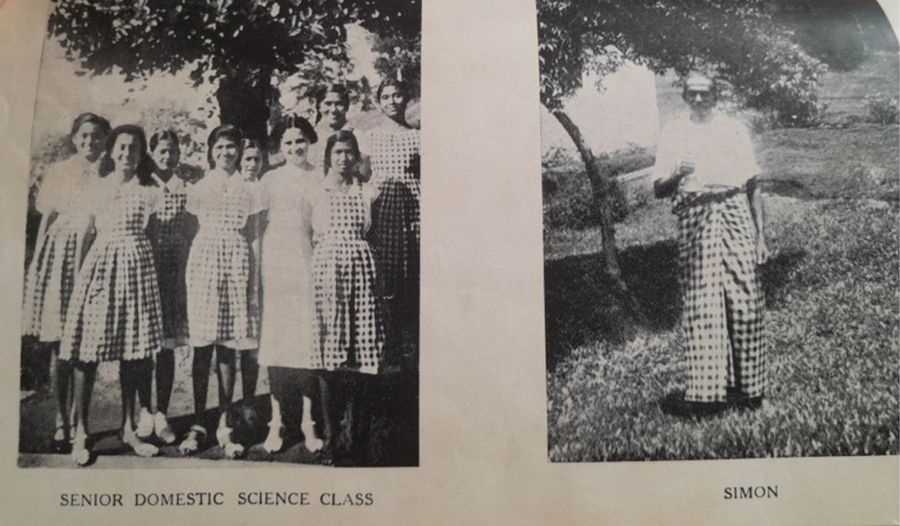
Miss Mallet was committed to academic excellence. She introduced Domestic Science, making the school the first in Sri Lanka to teach the subject. She encouraged students to sit for the London Matriculation Examination, expanded the curriculum, and promoted literature, drama, music, art, and debating. During her time, the school staged Shakespearean plays such as Julius Caesar, The Merchant of Venice, and Toad of Toad Hall, while literary and music societies flourished.
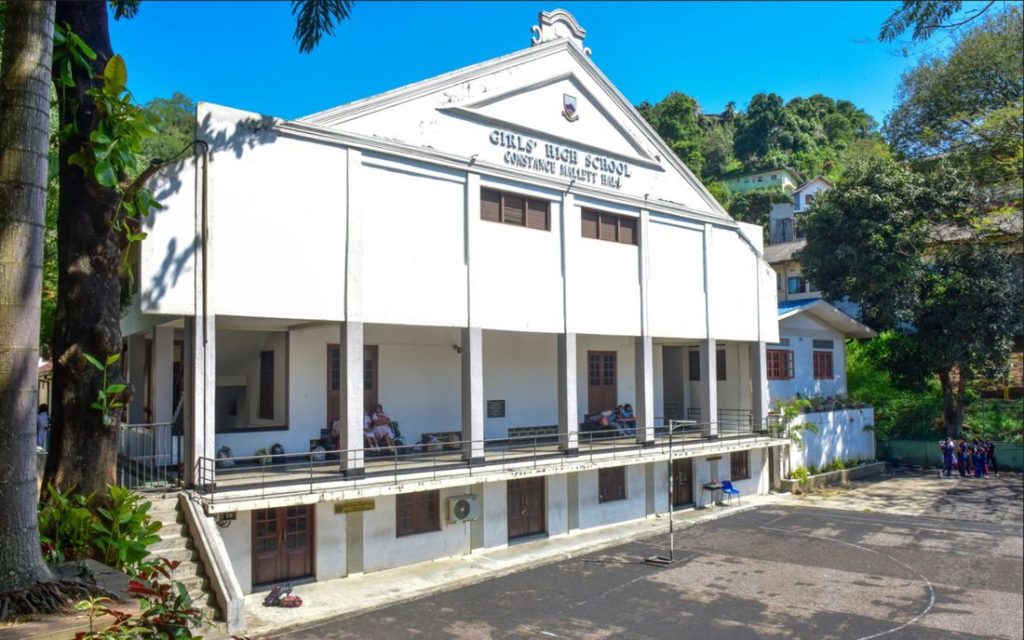
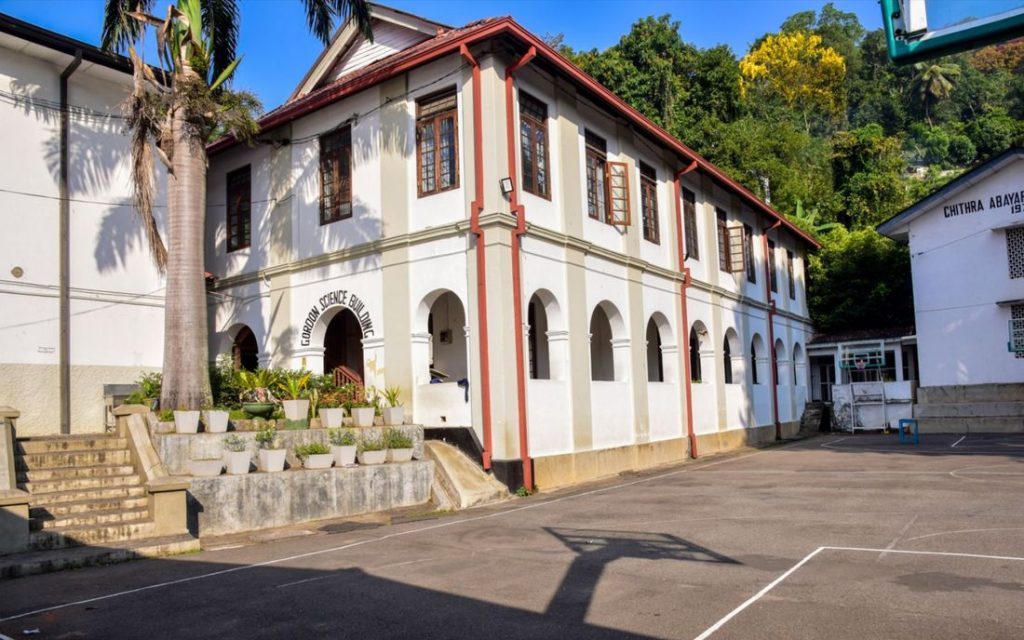
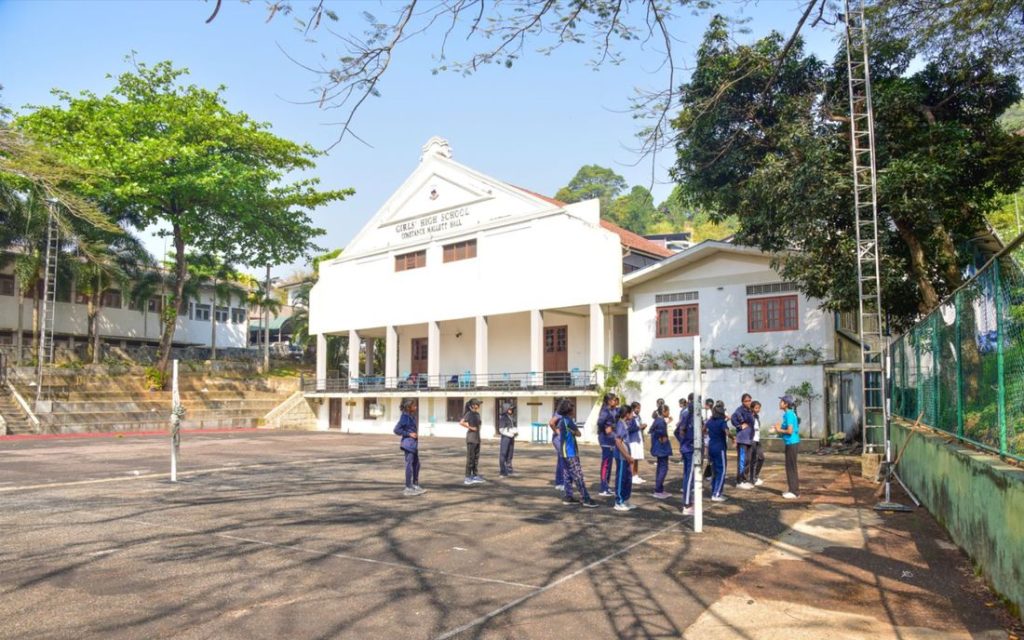
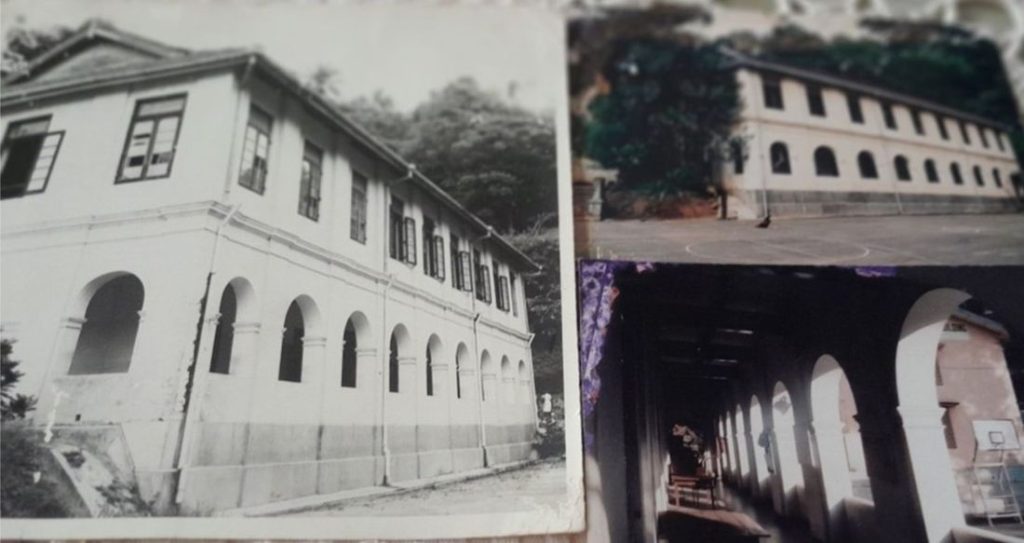
She also oversaw major developments in the school's facilities. A new School Hall, later named Constance Mallet Hall, was opened in 1924, followed by hostels, a two-storey academic building (later named the Gordon Building), tennis courts, and improved boarding facilities.
Under her inspiring leadership, many students achieved historic milestones, including Soma Seneviratne, the first Kandyan lady graduate and the first Kandyan woman to earn the Cambridge Tripos, Moodah (Jaimon) Chunchie, the first Malay girl in Sri Lanka to matriculate, and Lily Fernando, the first girl in Sri Lanka to receive a University Scholarship.
Miss Constance Mallet's vision, leadership, and dedication transformed the school into one of the country's leading educational institutions. Many of the traditions she introduced continue to be cherished today, making her one of the most respected principals in the school's history.
- Pioneering Innovator: In the early 1920s, a school introduced numerous educational advancements.
- House System (1921): First to implement the House System, named houses after values: Eaton (patience/honesty), Langdon (prosperity/productivity), Lawrance (brightness/sharpness), Sansom (courage/stability).
- Unique Identity: Launched its first school song, badge, and uniform in 1921, followed by the introduction of the school tie and prefect system in 1922.
- Crest and Motto: Adopted the school crest and motto "A Deo Auxilium," symbolizing strength and hope.
- Curriculum Innovations: First in Sri Lanka to offer domestic science and science education; staged Shakespeare plays like "Julius Caesar" and "The Merchant of Venice."
- Notable Achievements: Featured the first Kandyan lady graduate and Cambridge Tripos winner, Soma Seneviratne, and the first Malay girl to matriculate, Moodah Chunchie.
- Expansion: Facilities grew with hostels and sports courts; intellectual societies like the English Literary Association and debating teams were established.
- Community Spirit: Spirit maintained through reunions and events, alongside the introduction of colors and blazers for prefects.
- Enduring Legacy: The school crest continues to symbolize growth and cheerfulness, inspiring future generations.
Key Historical Milestones of the School
- 1921: Introduction of House System
- Original Houses: Saxe, Gold, Green, Navy
- Later renamed: Eaton (sky, patience & honesty), Lawrance (sun, brightness & sharpness), Langdon (earth, prosperity & productivity), Sansom (mountain, courage & stability)
- 1921: Firsts
- First School Song introduced
- School Badge introduced
- 1922: Additional Firsts
- School Uniform introduced
- School Tie introduced
- Prefect system and School Committee established
- School Crest adopted
- “Forty Years On” adopted as school song
- School Captain appointed
- Domestic Science introduced to curriculum (first in the island)
- Notable Achievements
- Soma Seneviratne: First Kandyan lady graduate and Cambridge Tripos winner (1922), later Principal of Hillwood College
- Introduction of Science to the school curriculum in Sri Lanka
- First pupil sent for London Matriculation (1923)
- Infrastructure Developments
- Foundation stone for School Hall laid by Mrs. Clementi
- Hostel opened at Leydenburg (1924)
- School Hall (Constance Mallet Hall) opened by Lady Bertram (1924)
- Other Firsts
- First Malay girl to matriculate in Sri Lanka – Moodah (Jaimon) Chunchie (1925)
- School Honors Board set up in the Hall
- English Literary Association formed (1926)
- Lily Fernando: First girl in Sri Lanka awarded University Scholarship (1926)
- Sunday school began (1927)
- Games Colours awarded for the first time (1927)
- School motto “A Deo Auxilium” (“Our Help Cometh from the Lord”) adopted, linked to Psalm 121
- Additional Infrastructure and Activities
- Second Hostel opened
- Shakespeare’s plays staged: Julius Caesar, Merchant of Venice
- Foundation stone laid for two-storey block (later named Gordon Building)
- First OGA reunion in Colombo
- Crest printed on school magazine for the first time
- Tennis courts opened (where Hema Jayasinghe building stands today)
- Industrial school building repurposed as senior hostel (Rita Kaule Hostel)
- Performance of Toad of Toad Hall
- Articles in Sinhala and Tamil appeared in the school magazine
- ‘Parents Day’ started
- English Literary, Music and Drama society (LMD) formed
- School blazer adopted (for Senior Prefects)
- First Debating team formed, introduced to Ceylon; first debate with Trinity College
- Unveiling of the portrait of Ms. Constance Mallet
- Community Engagement
- OGA Reunion and Bazaar held in Kandy to raise building funds
This timeline highlights the school's pioneering spirit in education, culture, and student leadership.
Mrs. Ruth Allen 1935–1947
Mrs. Ruth Allen (1935–1947) – The last Methodist Principal, who expanded education, library facilities, Sinhala activities, and university preparation.
Mrs. Ruth Allen – The Last Methodist Principal (1935–1947)
Mrs. Ruth Allen –
Mrs. Ruth Allen was the last Methodist Principal of the school. She led the school through a period of growth and the difficult years of the Second World War.
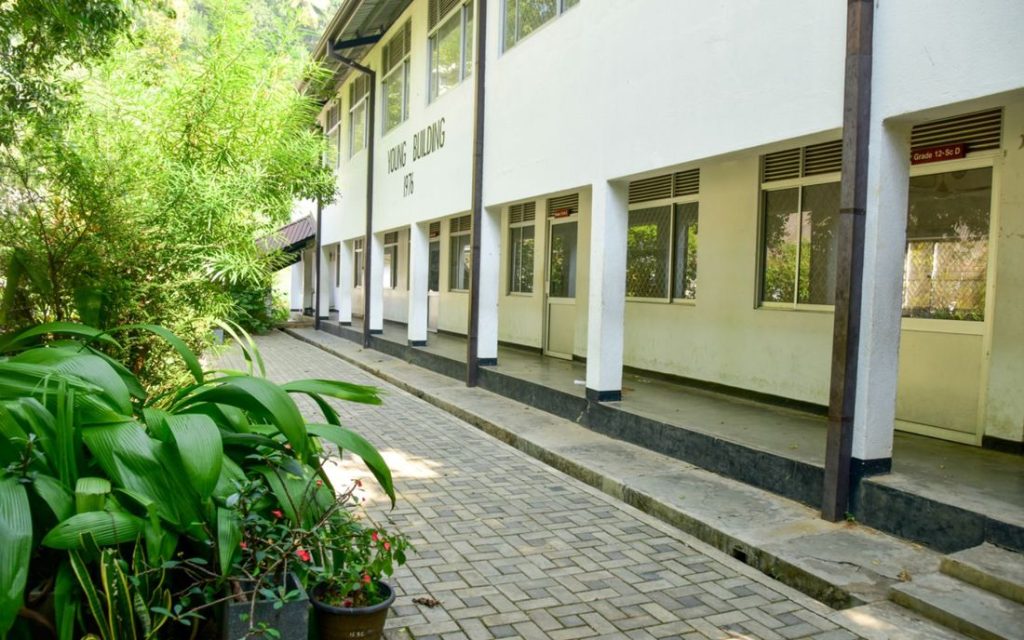
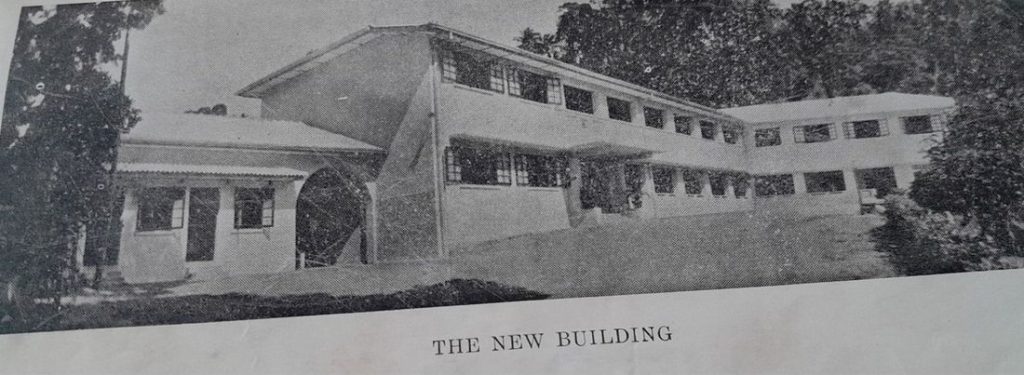
During her leadership, the Allen Building was constructed, and the school's first upstairs building, the New Block, was completed in 1936. She also supported academic and cultural development by introducing an Open Access Library, Sinhala Literary Association, and Sinhala singing classes.
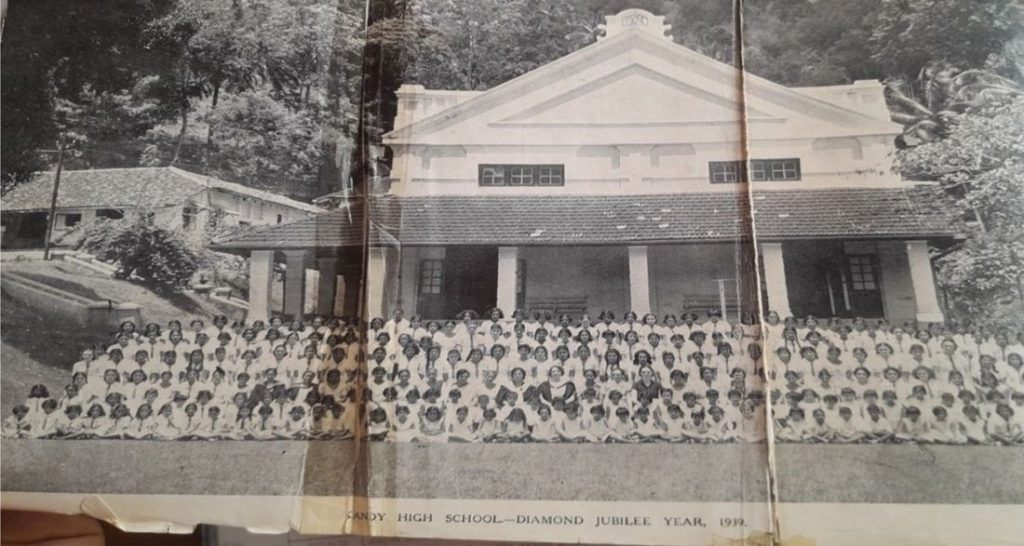
The school celebrated its Diamond Jubilee, and students took part in performances such as The Blue Bird and Pygmalion. During the war, the school supported the Food Production Drive and began HSC and University of Ceylon entrance classes.
Mrs. Ruth Allen is remembered as a dedicated educator who strengthened the school's facilities, academic standards, and cultural activities, bringing the Methodist era of the school to an end.
Notable Events and Developments (From 1936)
- 1936: Completion of First Upstairs Building (New Block)
- The period reflects significant growth in the school's infrastructure, cultural activities, academic advancement, and community engagement.
- In 1936, the completion of the New Block, a two-storeyed building, symbolized progress, highlighted by a student performance of The Blue Bird.
- Celebrations for the Diamond Jubilee marked sixty years of nurturing students, incorporating the establishment of an Open Access Library and the Sinhala Literary Association.
- By year-end, the school recorded its 4000th student in the Admission Register, symbolizing trust and growth.
- The onset of World War II prompted the school to initiate a Food Production Drive while maintaining a focus on academic preparation for the University of Ceylon entrance exams.
- Annual traditions like the OGA Dance linked generations, while Sinhala singing classes enriched cultural experiences.
- A memorable fund-raising night featured a performance of Pygmalion, showcasing Mrs. Irangani Meedeniya Serasinghe's talent and supporting the Sansom Memorial Fund.
- The school’s development included a modern library and cultural forum, illustrating its role as a microcosm of a nation in transition.
Mrs. Grace J. Paul 1947–1954
Mrs. Grace J. Paul (1947–1954) – The first Sri Lankan Principal, who expanded Science education, introduced national-language education, and oversaw major building development.
Mrs Grace J Paul
occupied the position of the First Sri Lankan Principal in the history of the school
The Journey of a Progressive School
Mrs. Grace J. Paul – The First Sri Lankan Principal (1947–1954)
Mrs. Grace J. Paul made history as the first Sri Lankan Principal of the school. Her leadership marked the beginning of a new era of progress, academic excellence, and national development.
She introduced many new subjects and opportunities for students. The Baby Class (Nursery) was started, Science was introduced for higher studies, and laboratory facilities were arranged with the support of Kingswood College. These improvements helped students prepare for university courses in Medicine, Science, and Engineering. She also introduced Oriental and Kandyan Dancing to the curriculum, making the school the first in Sri Lanka to teach Kandyan Dancing.
During her time, the school came under a Board of Governors in 1948 and later joined the Free Education Scheme in 1952. As a result, teaching began in Sinhala and Tamil, making education more accessible to all students. The first Parent-Teacher Meeting was also held during her leadership.
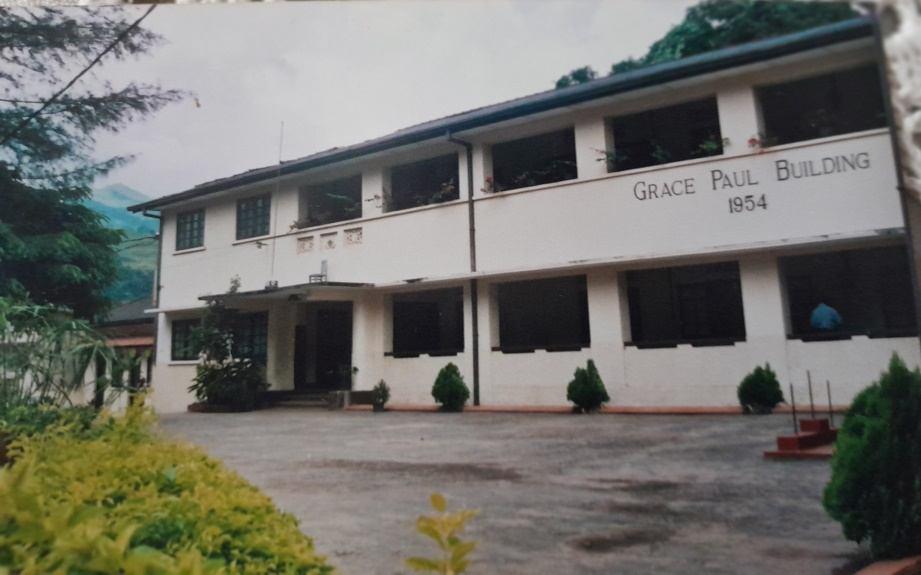
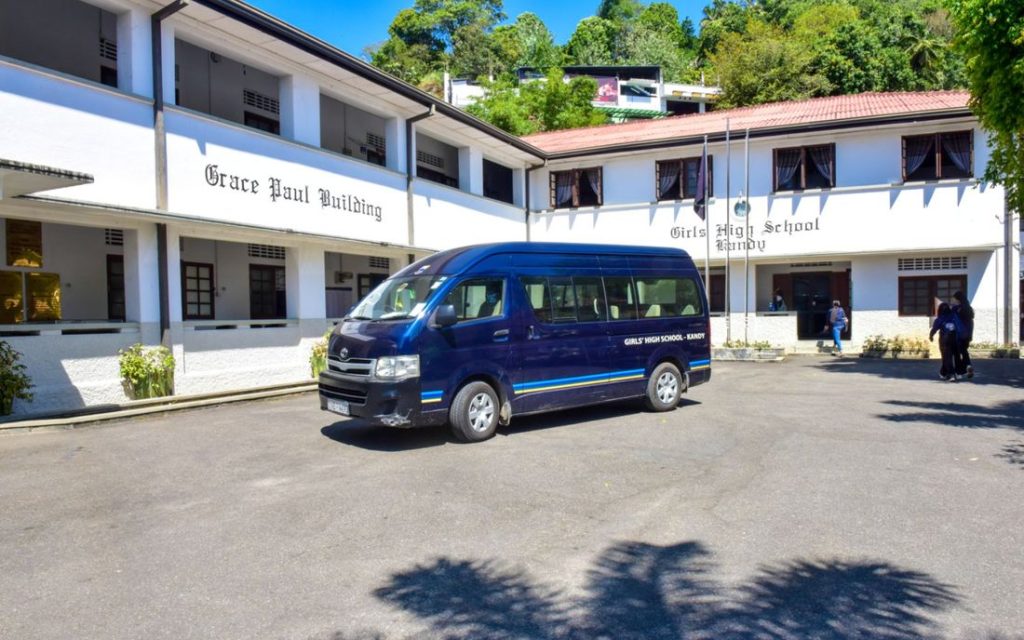
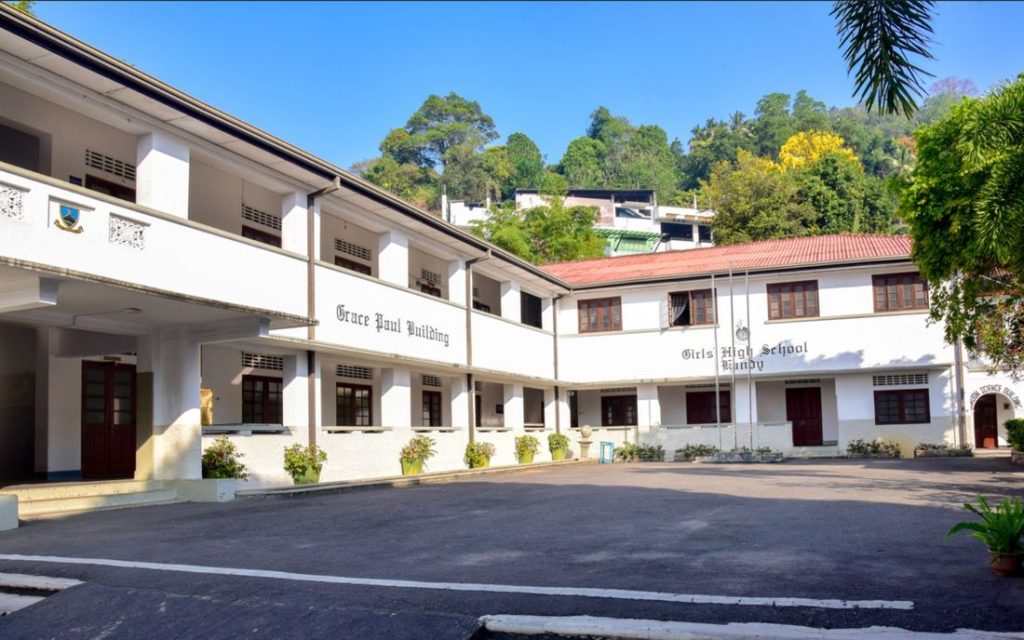
Mrs. Grace Paul also guided the school's physical development. The foundation stone for the Main Building was laid, and the building, now known as the Grace Paul Building, was opened during the 75th Jubilee celebrations in 1954. The famous clock on the office building was one of her generous gifts to the school.
Under her leadership, students achieved many milestones. Flora Rajapakse became the first girl from Sri Lanka to enter the YMCA College of Physical Education, while Ratnabai Arulanandham became the first Sri Lankan woman to earn a Master's Degree in Biochemistry. Cultural activities also flourished with stage productions, jubilees, and the introduction of typewriting to the curriculum.
Mrs. Grace J. Paul's vision and dedication transformed the school into a modern institution, and her legacy continues to inspire generations of students.
- A vibrant school initiated changes by introducing a baby class (nursery) to start education early for children.
- Science was added to the curriculum to prepare students for careers in Medicine, Science, and Engineering.
- A two-storied building was constructed under Mrs. Grace Paul’s leadership, symbolizing progress.
- The school partnered with Kingswood College for hands-on science education.
- Oriental and Kandyan dancing were added to the curriculum, becoming the first in the region to embrace these arts.
- Flora Rajapakse achieved a milestone as the first Sri Lankan girl to attend the YMCA College of Physical Education.
- In 1952, the school joined the Free Education System, teaching in national languages for broader access.
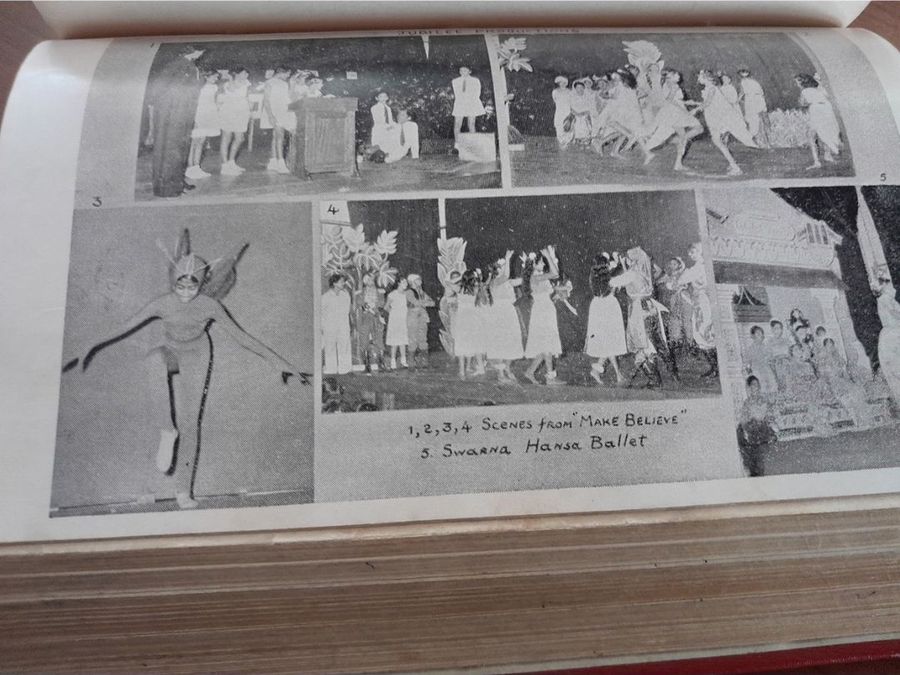
- Milestones included the first Parent Teachers Meeting and celebrating the 70th and 75th anniversaries with performances like “The Rivals” and the SwarnaHansa Ballet.
- The school recognized supporters through honorary memberships and welcomed the first Sri Lankan woman with a Master’s in Biochemistry.
- It has consistently served as a beacon of learning, culture, and community spirit, shaping generations.
Mrs. Erica La Brooy
Mrs. Erica La Brooy – Helped the school adapt to government administration while developing religious education and cultural activities.
Mrs Erica La Brooy
The Birth of the Allen Building and a New Chapter at Olive Tree School
Mrs. Erica La Brooy
Mrs. Erica La Brooy guided the school during a period of important change as it became part of Sri Lanka's national education system. Under her leadership, the school continued to grow while preserving its strong traditions.
During her time, a three-classroom block was opened near the Olive Tree. This building was later named the Allen Building and provided additional classroom space for the increasing number of students.
One of the most significant events of her principal ship was the school becoming fully vested under the Government. With this change, the teaching of religion became compulsory, and the Buddhist Society was established to meet the spiritual needs of Buddhist students while promoting religious understanding.
Mrs. La Brooy also encouraged cultural activities. The school staged the play "Prince Ju Ju," giving students opportunities to develop their talents in drama and public performance.
Mrs. Erica La Brooy's leadership helped the school adapt successfully to a new era while continuing to provide a balanced education that valued academics, culture, and character development.
- Three new classroom blocks, named the Allen Building, signify growth and opportunity at Olive Tree School.
- The school is now fully under government control, providing stable support and resources, along with new responsibilities and direction.
- Compulsory religious education was introduced, reflecting a commitment to moral and spiritual learning.
- A Buddhist society was established, fostering community and exploration of faith among students.
- The school year concluded with a performance of “Princes JU JU,” celebrating creativity and collaboration in the school community.
- Overall, Olive Tree School has evolved into a vibrant community that integrates tradition, education, and creativity.
Mrs. Hema Jayasinghe 1964–1966
Mrs. Hema Jayasinghe (1964–1966) – An Old Girl who expanded A/L subjects, introduced the Western Band, Agriculture, and strengthened language education.
A Year of New Beginnings at the School
Mrs. Hema Jayasinghe (née Abeyaratne) – An Old Girl of KHS (1964–1966)
Mrs. Hema Jayasinghe, an Old Girl of Kandy High School, served as Principal from 1964 to 1966. During her leadership, she worked to expand both academic and extracurricular opportunities for students while strengthening the school's traditions.
She introduced several new subjects to the Advanced Level curriculum, including Pali, Buddhist Civilization, and Indian History. The Commerce stream was also started, giving students more choices for higher education and future careers. In addition, Agriculture was taught in all classes, and Sinhala language classes were introduced for Tamil students, promoting better understanding between communities.
Mrs. Jayasinghe encouraged students to participate in extracurricular activities. During her time, the school's Western Band was formed, adding to the cultural life of the school. She also welcomed a visit from Mrs. Jennie Greene, one of the school's former principals, strengthening the link between the school's past and present.
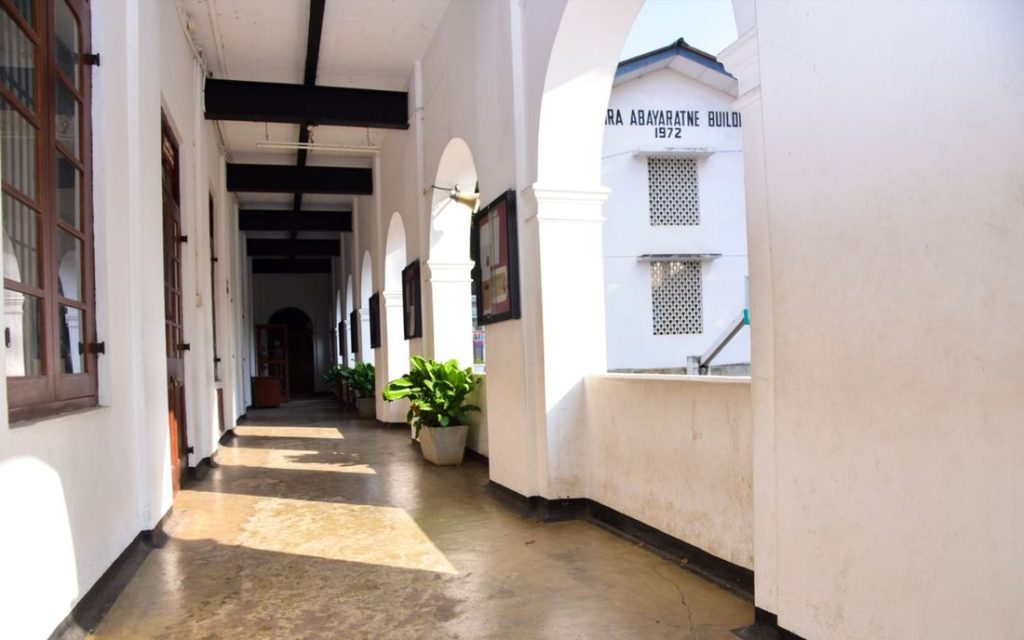
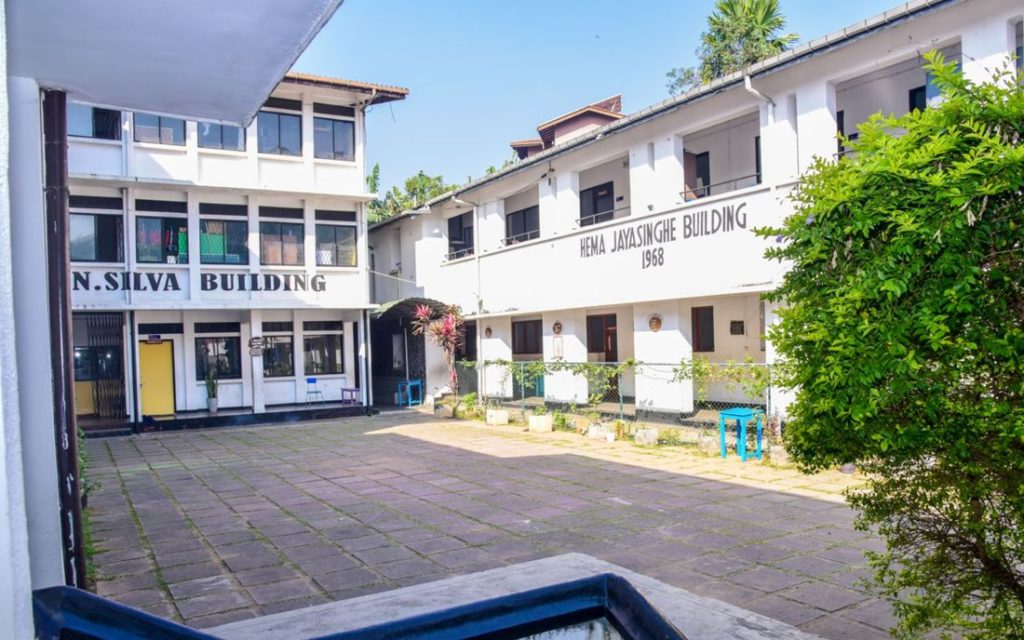
Another important achievement of her leadership was the laying of the foundation stone for the two-storey building, which is now known as the Hema Jayasinghe Building. The Old Girls' Association also supported the school by organizing the "Moon Glow" dance at the Queen's Hotel, Kandy.
Mrs. Hema Jayasinghe is remembered for her dedication to improving education, promoting unity among students, and contributing to the growth of her alma mater.
- Mrs. Jennie Green visited the school, inspiring everyone with new ideas.
- The curriculum expanded to include subjects like Pali, Buddhist civilization, and Indian history for Advanced Level students.
- The school's spirit strengthened with the formation of the Western Band, enhancing the atmosphere with lively music.
- A new initiative was launched to teach Sinhala to Tamil students, promoting community bridging through language.
- The Commerce stream was introduced for A/L classes, and agriculture was included across all grades.
- Construction began on the two-storeyed Hema Jayasinghe Block, a significant infrastructure development.
- The highlight of the year was the ‘MOON GLOW’ OGA Dance at Queen’s Hotel in Kandy, showcasing elegance and joy.
- Overall, the year was marked by growth, unity, and celebration, leaving a lasting impression on the school community.
Miss Chithra Abeyaratne 1967–1968
Miss Chithra Abeyaratne (1967–1968) – Developed Science facilities, introduced Hockey, and strengthened the school's academic and cultural identity.
Miss Chithra Abeyaratne – An Old Girl of KHS (1967–1968)
Miss Chithra Abeyaratne, an Old Girl of Kandy High School, served as Principal from 1967 to 1968. Although her period of leadership was brief, she made important contributions to the school's academic and extracurricular development.
During her principalship, the foundation stone for the new Advanced Level Science Laboratory was laid, and a new two-storey building was completed and officially opened. These developments improved the school's facilities and created better learning opportunities for students.
Miss Abeyaratne also encouraged sports by introducing the game of hockey to the school, giving students another opportunity to develop teamwork and discipline.
One of the proud achievements during her time was that Eugene Jayasekera became the first Sri Lankan to obtain a Ph.D. in Human Genetics in 1968, bringing honour to the school.
To strengthen the school's identity, the Sinhala version of the School Song, written by Mrs. Hemamali Gunasinghe, a member of the teaching staff, was officially adopted.
Miss Chithra Abeyaratne is remembered for her dedication to improving education, expanding school facilities, and encouraging excellence in both academics and extracurricular activities.
- The school experienced significant changes, starting with the establishment of a new science laboratory known as the A/L laboratory.
- A new two-storeyed building was unveiled, designed for various classrooms and activities to enhance knowledge and creativity.
- The introduction of hockey fostered a renewed spirit of sportsmanship among students.
- Notably, Eugene Jayasekera became the first Sri Lankan to earn a Ph.D. in Human Genetics in 1968, inspiring students to aspire for excellence.
- The Sinhala version of the school song was adopted, fostering unity and pride within the school community.
- These developments marked a vibrant chapter of growth, promising bright futures for all students.
Mrs. T. K. Ekanayake
Mrs. T. K. Ekanayake – Led a major period of expansion, introducing new buildings, subjects, sports, music, drama, and other student activities.
A Journey through the School’s Rich History
Mrs. T. K. Ekanayake
Mrs. T. K. Ekanayake led Kandy High School during a period of remarkable growth, development, and achievement. Her leadership saw the school expand its buildings, improve its facilities, and introduce many new opportunities for students.
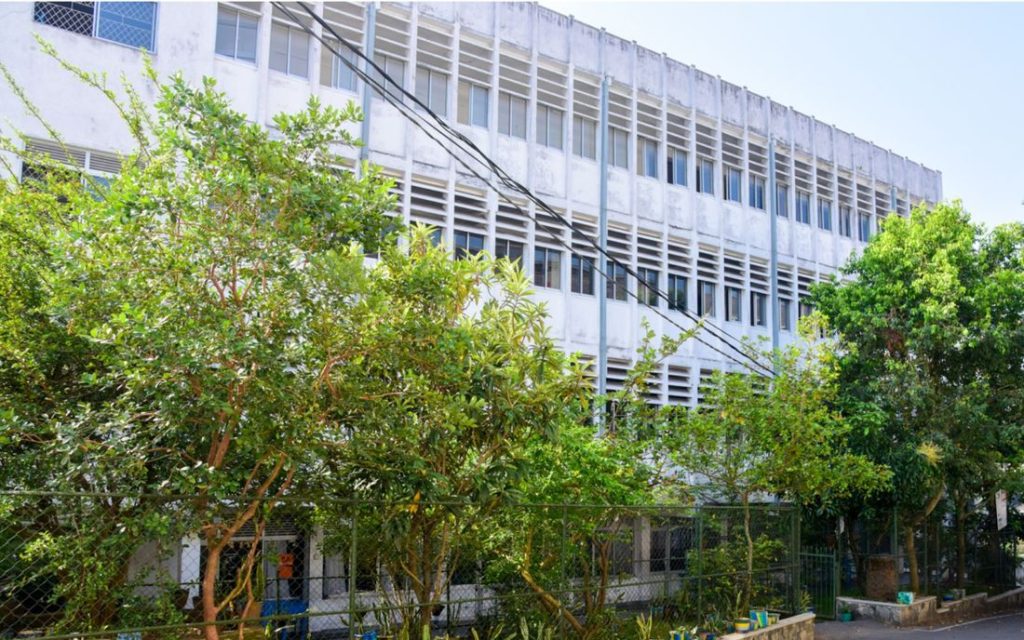
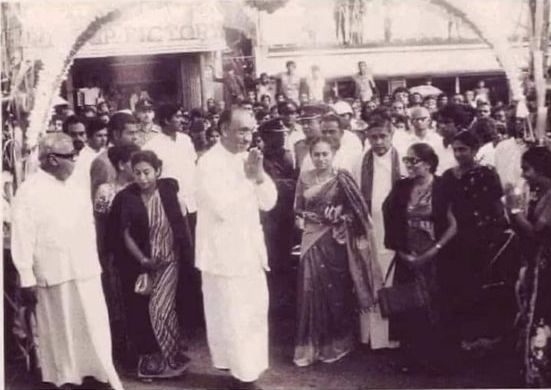
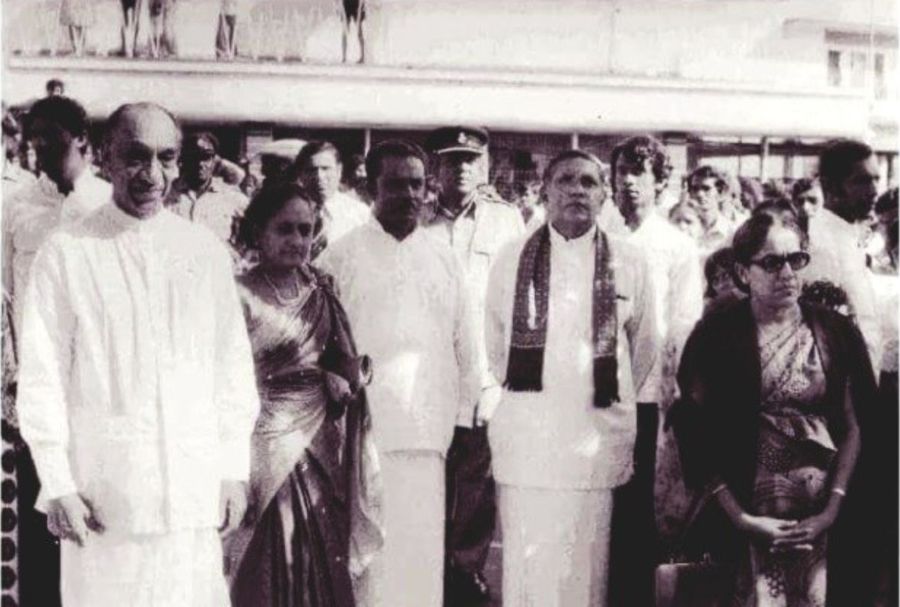
One of the major developments was the expansion of the hostel, which provided accommodation for around 200 students. Several new buildings and classrooms were added, with strong support from parents and the Old Girls' Association. The A/L Science Laboratory, now known as the Chithra Abeyaratne Building, was opened by Prime Minister Sirimavo Bandaranaike, while the foundation stone was laid for the four-storey building that later became an important part of the school.
Education also developed greatly during her time. Home Science and Commerce were introduced to the A/L curriculum, together with subjects such as Western and Eastern Music, Bharatanatyam, Kandyan Dancing, Carnatic Music, French, Logic and Scientific Method, and Greek and Roman Civilization. The Primary Section was abolished, and admissions thereafter began at Grade 6.
Mrs. Ekanayake also encouraged students to discover their talents outside the classroom. The Art Circle, Oriental Orchestra, Hewisi Band, Adventure Club, Chess, and Table Tennis were introduced or strengthened. Drama and music flourished through productions such as The Doll's Hospital, Arms and the Man, and Saththunge Punchigedara. The school also achieved success at the All-Island Shakespeare Drama Festival, winning first place.
A particularly memorable milestone was the school's Centenary Celebration. The new four-storey Centenary Building was opened by President J. R. Jayewardene, and a special pageant depicting the history of the school was presented. Hundreds of students also took part in a beautiful Yoga display at the Centenary Sports Meet.
Mrs. Ekanayake's period of leadership was therefore one of building, innovation, education, culture, and achievement. She helped prepare Kandy High School for the future while preserving the traditions and values that had made the school special.
- The school experienced significant transformations over the years, focusing on change and growth.
- The Principal's bungalow was renovated to create a Home Science Unit, fostering creativity and life skills.
- Anula Ellepola Udalagama became the first lady President of a Multi-Purpose Co-operative Society, inspiring the school community.
- The student population grew to 200, leading to hostel expansions and the construction of the Burnette Building for Carnatic music and Bharatha dancing, which later became a Table Tennis Room.
- The A/L science lab was named after Chithra Abayaratne and inaugurated by Prime Minister Sirimavo Dias Bandaranayake.
- Parents contributed nine classrooms as the school shifted focus from primary education to Grade 6 admissions onward.
- The Art Circle was established, alongside the introduction of different music programs and cultural activities.
- The Home Science section relocated to the La Brooy Building, a two-storey facility.
- The curriculum expanded to include Home Science, Commerce, various music forms, Bharata Natayam, and French language.
- Cultural vibrancy was promoted through performances and festivals, backed by dedicated societies and the school committee.
- Modern facilities were added, including a National Savings Bank branch, a public address system, and the Centenary Building opened by President J.R. Jayewardene.
- Celebrations marked memorable milestones, such as yoga displays, prize-giving, and a century of excellence.
- Leadership was recognized through farewells to influential teachers like Miss Lily Joseph and Mrs. Chadra de Silva.
- The school became one of 18 National Schools, initiating traditions like the big match with Pushpadana Balika Vidyalaya and cultural exchanges like the “Fusion 85” dance.
- The establishment's journey exemplified community spirit, innovation, and dedication to nurturing well-rounded individuals.
Mrs. H. M. M. K. Amunugama
Mrs. H. M. M. K. Amunugama – Improved the Main Hall, introduced Colours' Eve, and initiated the return of the Primary Section.
The Transformation of a Beloved School
Mrs. H. M. M. K. Amunugama
Mrs. H. M. M. K. Amunugama played an important role in the development of Kandy High School, especially in improving the school environment and bringing back an important part of its history.
One of her major projects was the beautification and refurbishment of the Main Hall. The hall was extended and a new balcony was added, providing a better space for school events and activities.
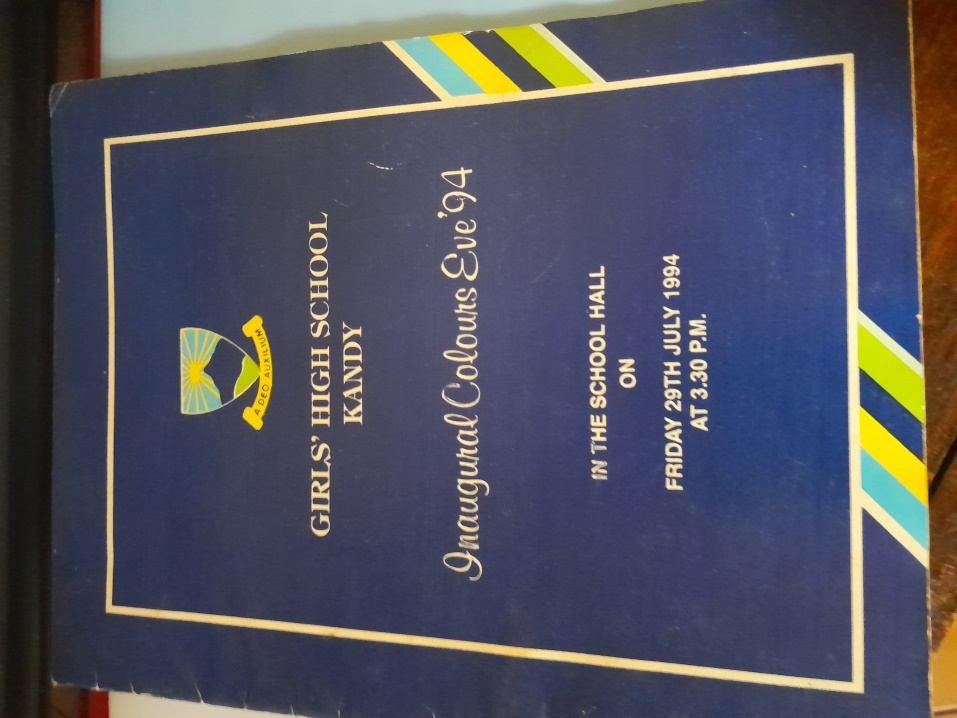
She also introduced “Colours’ Eve,” a special occasion to recognize and honour talented young sportswomen. This gave students an opportunity to celebrate their achievements in sports and encouraged others to follow their example.
One of her most significant contributions was her effort to re-establish the Primary Section. After being absent for 28 years, the Primary Section was reopened in 2001 on the school premises. This was made possible through the dedication and teamwork of several members of the school community.
During her leadership, the school tie was also modified. As many other schools had copied the original design, the lines were made broader and the material was changed to silk, giving the school tie a distinctive and modern appearance.
Mrs. Amunugama's leadership was marked by renewal, tradition, and progress. Her efforts helped improve the school's facilities, celebrate student achievements, and, most importantly, restore the Primary Section for a new generation of young students.
- The school, known for its vibrant community, initiated transformative changes to enhance its Main Hall, adding an extension and a new balcony for more welcoming space.
- A special event, "Colours' Eve," was introduced to honor and celebrate the dedication and achievements of young sportswomen.
- The Primary section, absent for 28 years, was reestablished in 2001 through the efforts of dedicated individuals like Mrs. Mallika Amunugama and others, revitalizing the school’s roots for future generations.
- The school tie was updated with broader lines and refined silk fabric, symbolizing the school's unique identity and pride.
- Overall improvements contributed to the school's growth, celebration, and lasting traditions.
Mrs. G. N. Silva
Mrs. G. N. Silva – Oversaw the re-establishment of the Primary Section and the development of Career Guidance.
Mrs. G. N. Silva
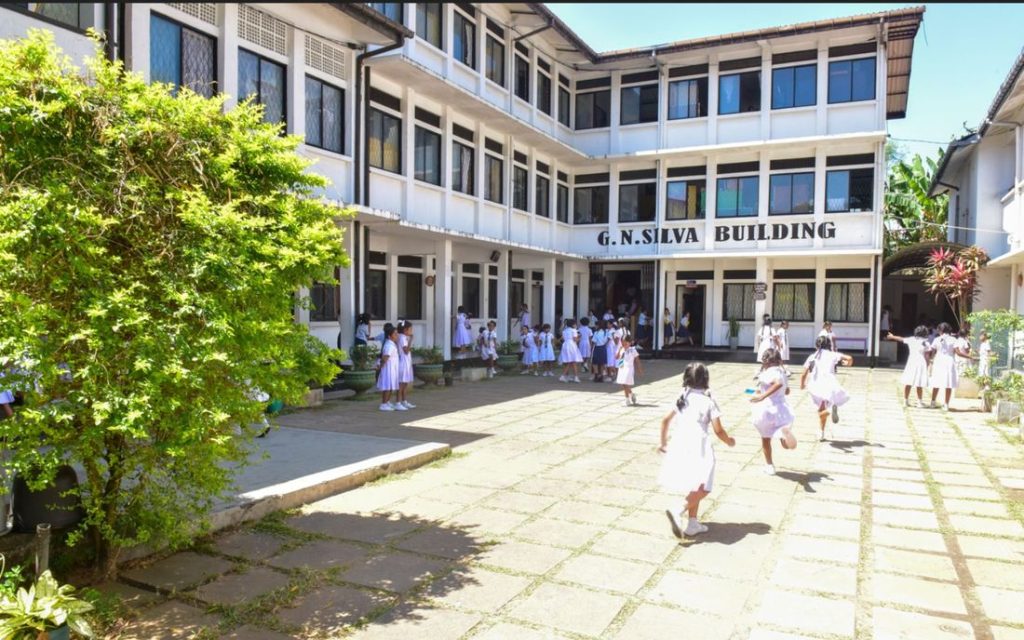
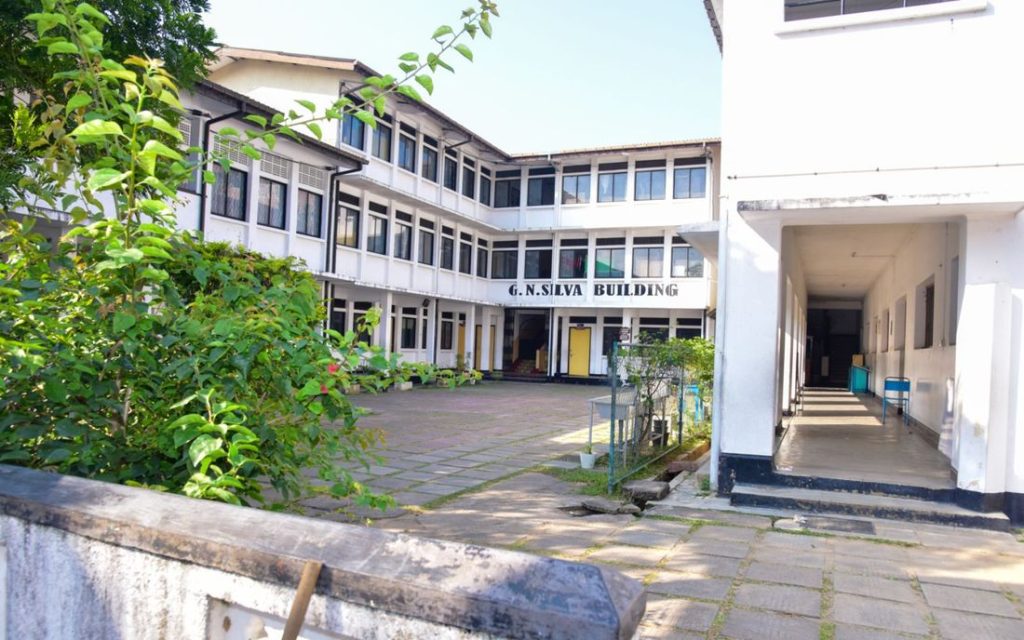
Mrs. G. N. Silva served during an important period in the history of Kandy High School, when the school was strengthening its role in the education and development of young girls.
One of the most significant achievements of this period was the re-establishment of the Primary Section. On 18 January 2001, the Minister of Education, Hon. Richard Pathirana, approved the reopening of the Primary Section after many years. This gave young girls the opportunity to begin their education within the safe and caring environment of their own Alma Mater.
Another important development was the establishment of the Career Guidance Unit, initiated by Mrs. Dineli Nugegoda. This provided students with guidance and support as they began thinking about their future studies, careers, and goals.
Mrs. G. N. Silva's period was therefore one of renewal and new opportunities. The return of the Primary Section brought little children back to the school, while the Career Guidance Unit helped older students look confidently towards their future. Her period contributed to making the school a place where girls could grow from their earliest years and prepare themselves for life beyond the classroom.
- On January 18, 2001, Girls' High School re-established its primary section, approved by Minister of Education Hon. Richard Pathirana.
- This decision allowed young girls to learn in a safe and nurturing environment, broadening the school's focus beyond older students.
- The school introduced a Career Guidance unit led by Dineli Nugegoda to help students discover their talents and plan their futures.
- The reopening marked a new chapter for the school, emphasizing support and inspiration for all students to reach their fullest potential.
Mrs. R. N. Amarasinghe 2002–2003
Mrs. R. N. Amarasinghe (2002–2003) – Developed computer education, gymnastics, and major sporting events.
Mrs. R. N. Amarasinghe (2002–2003)
Mrs. R. N. Amarasinghe served as Principal during a period when technology, sports, and student activities were developing rapidly at Kandy High School.
One of the important achievements of her period was the establishment of a new computer room with 15 computers. These computers were generously donated by various associations and parents of the school, giving students better opportunities to develop their computer skills.
The school also continued to encourage music and creativity. Mr. Mangala Samarasiri composed a special song for the students to sing at the end of the school day, creating a memorable tradition.
Sports received special attention during this period. In 2002, gymnastics was introduced to the school by Mrs. Dilani Wijesekara. The school also hosted what was described as the island's first sports carnival and sports exhibition, bringing together Central Province schools that had achieved excellence in different sports.
Another proud moment came when the school's drill display was performed at the 12th Asian Games held in Sri Lanka at the Sugathadasa Stadium. This gave the students a wonderful opportunity to represent their school on a national stage.
Mrs. R. N. Amarasinghe's period was therefore a time of modernization, sporting excellence, creativity, and new opportunities. Her leadership helped students develop not only academically but also in technology, music, gymnastics, and other areas of talent.
- The year 2003 was pivotal for the school, characterized by new beginnings and memorable events.
- A donation of 15 computers transformed a room into a modern computer lab, enhancing digital learning for students.
- Mr. Mangala Samarasiri composed a cheerful song, promoting joy and unity among students.
- Gymnastics was introduced to the sports program by Mrs. Dilani Wijesekara, encouraging physical development.
- The school hosted the first-ever sports carnival and exhibition, showcasing top athletes from the Central Province.
- The school’s drill team performed at the 12th Asian Games, gaining admiration and pride for the community.
- This year celebrated growth, talent, and community spirit in significant ways.
Mrs. K. D. S. Perera 2003–2004
Mrs. K. D. S. Perera (2003–2004) – Began construction of the gymnasium, improved the netball court, and managed the relocation of the Primary Section to Dodanwela.
Building a New Beginning
- Mrs. K. D. S. Perera (Acting Principal, 2003–2004)
Mrs. K. D. S. Perera served as the Acting Principal of Kandy High School from 2003 to 2004, during a period of important development in the school's facilities and sports activities.
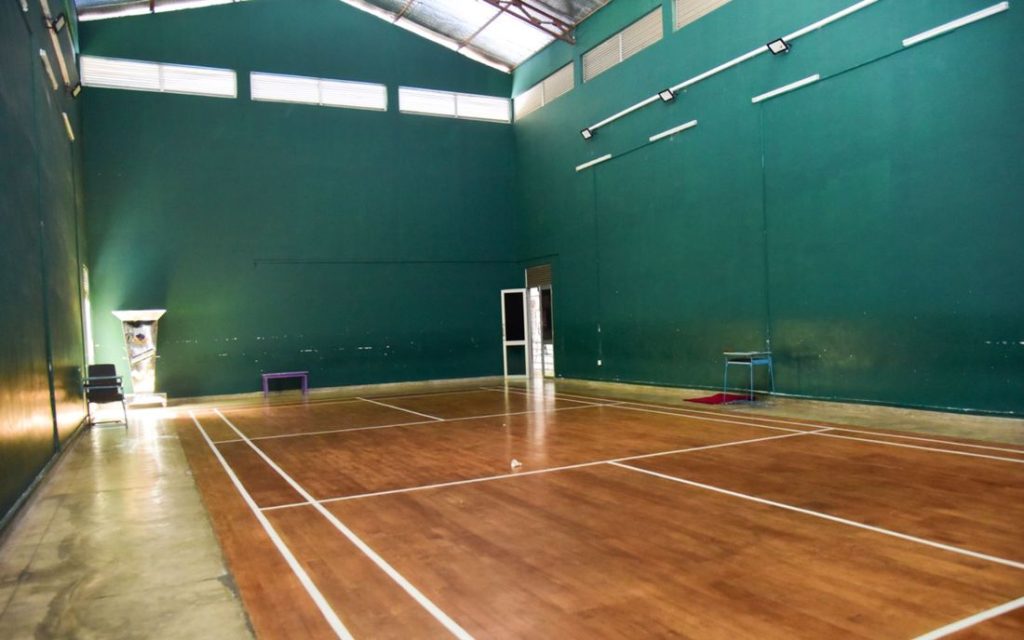
One of the major projects begun during her time was the construction of the school's gymnasium. This provided the school with the opportunity to further develop physical education and indoor sporting activities.
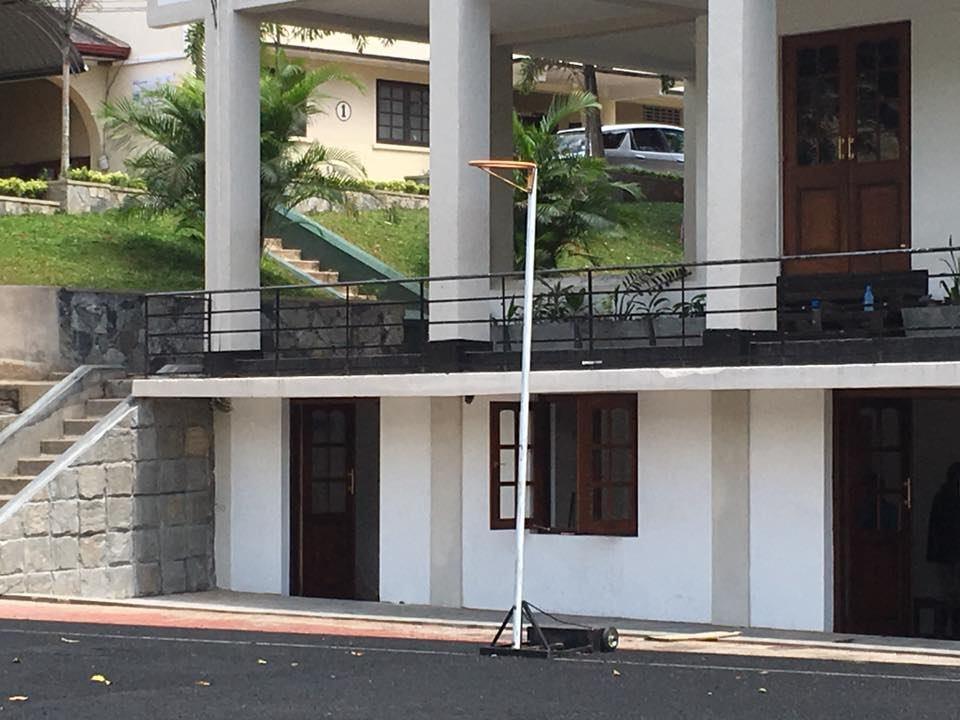
The school also improved its outdoor sports facilities. Rubber tiles donated by DSI were used for the netball pitch, providing students with a safer and better surface for training and competitions.
At the same time, the school was facing increasing congestion because of the growing number of students. To address this problem, the Primary Division was moved to Dodanwela, providing the younger students with a more suitable learning environment.
Mrs. K. D. S. Perera's short period as Acting Principal was therefore marked by practical improvements, better sports facilities, and thoughtful steps to manage the growing needs of the school. Her contribution helped prepare Kandy High School for its continued development in the years that followed.
- Construction began on a new gymnasium, exciting the school community.
- The gym aims to be a hub for sports and gatherings.
- The netball pitch was one of the first projects, featuring bright rubber tiles from DSI for safety and durability.
- The crowded grounds prompted the move of the Primary division to Dodanwela for more space and a peaceful environment.
- This transition, though sudden, led to new opportunities for students and teachers.
- Despite challenges, the school adapted well, with the gymnasium and netball pitch successfully completed.
Mrs. H. M. Wataliyadda 2004–2007
Mrs. H. M. Wataliyadda (2004–2007) – Introduced the Senior Cadet Band and brought the Primary Section back to the main school premises.
Mrs. H. M. Wataliyadda (2004–2007)
Mrs. H. M. Wataliyadda served as Principal of Kandy High School from 2004 to 2007. During her time, the school saw important developments in both student activities and school life.
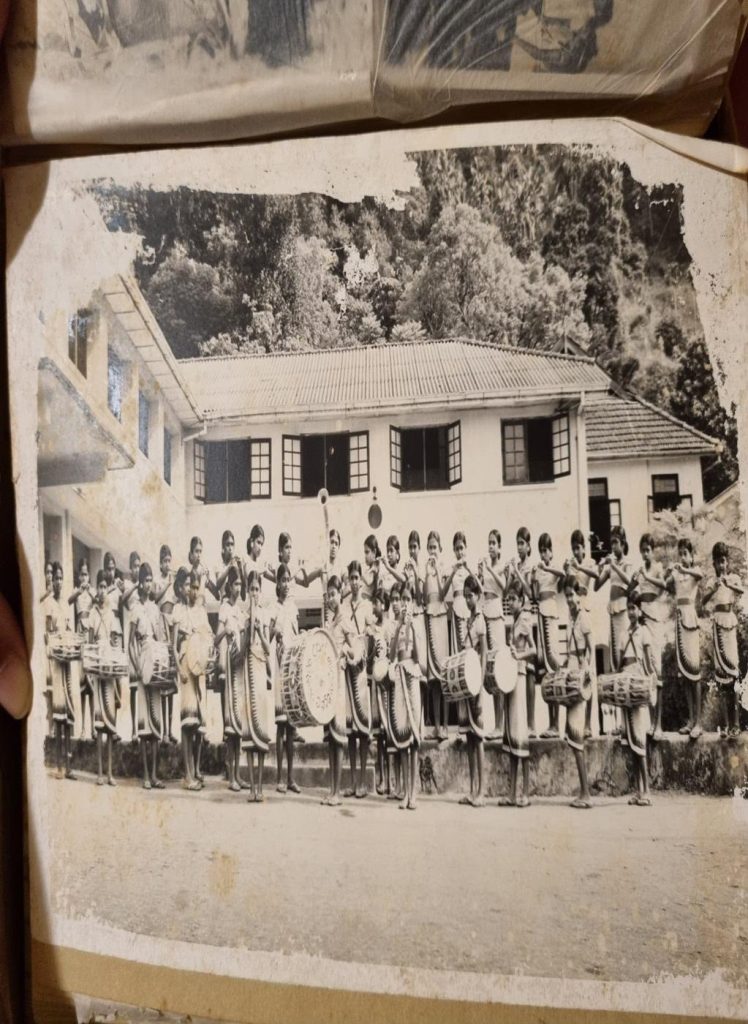
One of her special achievements was the introduction of the Senior Cadet Band. It gave students opportunities to develop discipline, teamwork, leadership, and musical skills.
Another important step was bringing the Primary Section back to the main school premises from Dodanwela.
Mrs. M. Abeygunasekara 2007–2023
Mrs. M. Abeygunasekara
Mrs. M. Abeygunasekara (2007–2023)
Mrs. M. Abeygunasekara served as the Principal of Kandy High School for 16 years, from 2007 to 2023.
During her time as Principal, she worked closely with the Old Girls' Associations of Colombo and Kandy. With their support, many areas of the school were renovated, refurbished, and improved. These changes helped to provide a better environment for the students.
She also encouraged teachers, parents, Old Girls, and students to work together for the development of the school. Her leadership helped to maintain the school's traditions . Mrs. Abeygunasekara's period as Principal was a time of development, collaboration, and renewal. Her perseverance and service made a valuable contribution to the continued growth of Kandy High School.
- The Old Girls' Associations (OGAs) were pivotal in revitalizing Girls' High School in Kandy and Colombo.
- Under Principal Mrs. M. Abegunasekara, the OGAs contributed to refurbishing and reconstructing various school areas.
- Their efforts resulted in enhanced facilities, fostering a more inspiring environment for students and staff.
- This collaboration improved not only the school's infrastructure but also strengthened community bonds.
- The contributions of the OGAs and the legacy they created are documented in the school's 135th and 140th anniversary magazines, highlighting their dedication to excellence and care for future students.
2023- 2026
2023- 2026
Several changes happened with few new management
Nilanka Abeywardene 2023- 2024
Renuka Edirisinghe 2025-2026